


A Star Signals the Start
For Native Hawaiians, it wasn't the lighting of a torch but the appearance of a star that signified the opening of the games. When the Makaliʻi, also known as the Pleiades, rose in the eastern sky, it marked the Hawaiian New Year and the beginning of the Makahiki (pronounced mah-kah-hee-kee) season. This was a sacred time to honor Lono, the god of rain, agriculture, harvest, peace, and fertility.
A Season of Peace and Prosperity
During Makahiki, warfare and unnecessary work were forbidden for nearly four months, creating a rare period of peace and celebration. Aliʻi (chiefs) of each island traveled clockwise through the various ahupuaʻa (districts), carrying Lono's image atop a long pole. Along the way, they collected tributes for Lono as well as taxes from their tenants, items such as taro, sweet potatoes, dried fish, kapa clothing, and rare bird feathers.
These offerings served multiple purposes: some were stored away as emergency supplies, others were shared with lesser chiefs, but most were redistributed and used for the grand festivities. The journey around the island took several days, and once all tributes had been gathered, the community came together for rituals, feasts, festivals, and games. This season was not only a time of abundance but also a reaffirmation of harmony between people, land, and the gods.
The Hawaiian Olympics
The Makahiki games were the ancient Hawaiian version of the Olympics, and contestants included trained athletes, aliʻi, and commoners. These contests were far more than entertainment; they served practical and cultural purposes. Warriors used them to stay fit and sharpen their skills for future battles, while commoners gained valuable training in case they were ever called upon to fight.
Competition was fierce yet honorable. Winners from each ahupuaʻa were invited by the chiefs to challenge champions from other districts, creating a vibrant network of rivalries and alliances. Victors often had songs and chants composed in their honor, immortalizing their achievements in Hawaiian oral tradition. Like the modern Olympics, these games promoted good sportsmanship, unity, and pride, offering participants a chance to bring honor to their families and communities.
Beyond physical prowess, Makahiki games reflected Hawaiian values: respect for skill, celebration of community, and the joy of friendly competition.
Game On: Traditional Competitions
Ancient Hawaiians enjoyed a wide variety of games that tested mental and physical strength. Many are still played today at cultural events:
- Konane – A two-player strategy game similar to checkers, played with black lava and white coral pieces.
- ʻUlu Maika – A bowling-like game using a stone disc rolled between two stakes.
- Moa Paheʻe – Dart sliding with torpedo-shaped darts aimed through narrow stakes 50 feet away.
- ʻŌʻō Ihe – Spear throwing at upright banana logs, showcasing accuracy and strength.
- Kūkini – Foot races; the fastest runners often became messengers or spies for chiefs.
- Hukihuki – Hawaiian tug-of-war, a test of teamwork and endurance.
- Haka Moa – Standing chicken fights, where balance and strength rule.
- Uma & Pā Uma – Hand wrestling, either lying down or standing upright.
- Mokomoko – Bare-fisted boxing, judged on strikes and evasive moves.
Rituals and Ceremonies
Makahiki wasn't just about games; it was deeply spiritual. Ceremonies included offerings to Lono, chants, and processions led by priests and chiefs. These rituals reinforced harmony between people, land, and the gods, reminding everyone of their connection to nature and community.
Modern Revival
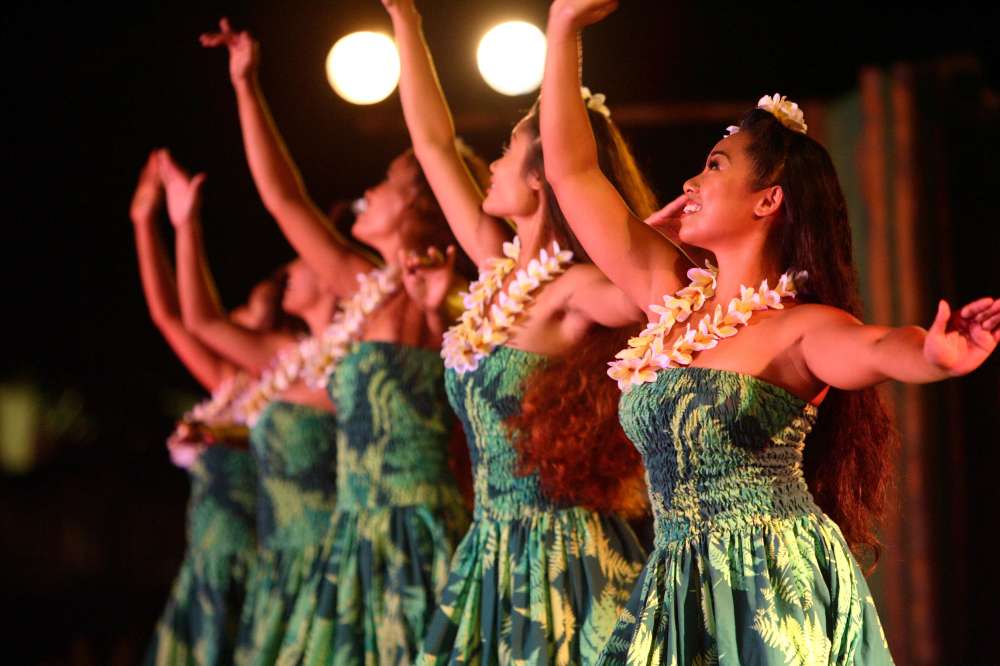
Today, Makahiki traditions thrive across Hawaii. The most famous celebration is Ka Molokaʻi Makahiki, held annually since 1981. Every January, the Mitchell Pauole Center hosts hula performances, cultural workshops, sporting competitions, music, and food. All dedicated to preserving this rich heritage. Similar events occur on other islands, ensuring Makahiki remains a living tradition.
Lessons for Today
Makahiki reminds us of values that resonate beyond Hawaii:
- Community over conflict
- Sustainability and respect for nature
- Celebration of culture and identity
In a fast-paced world, Makahiki offers a timeless message: pause, give thanks, and reconnect with what truly matters.